Loksewa Preparation Tips: A Daily Plan That Actually Works
Practical Loksewa preparation tips from students who studied at Shanvi: how to read the syllabus, plan your day, cover current affairs and revise without burning out.

Every year thousands of students across Nepal sit the Public Service Commission (लोक सेवा आयोग) exams, and only a small share get through. The difference is rarely talent. It is a steady routine kept up for months. These Loksewa preparation tips come from what we see every day in our halls, where many students prepare for Kharidar, Nayab Subba, Section Officer and bank exams side by side.
Use them as a starting point, then shape them around your own post, level and timetable.
1. Start with the syllabus, not the guidebook
The single most useful thing you can do on day one is print the official syllabus for your post from the Public Service Commission website and stick it above your desk. Every guidebook, class and YouTube video should be measured against it.
Go through it topic by topic and mark each one red, yellow or green: red for topics you have never studied, yellow for ones you half know, green for ones you could answer today. Your first month is about turning red into yellow.
2. Build a daily timetable you can keep for months
Loksewa is a long race. A timetable that needs fourteen perfect hours a day will break in a week. Aim for one you could keep on a bad day, and add hours only once it feels normal. Here is a routine many of our students follow:
5:00 to 7:00 AM: newspaper and current affairs, while the hall is at its quietest.
7:00 to 10:00 AM: your hardest subject, such as the constitution, governance or your technical paper.
10:00 AM to 1:00 PM: a second subject, with a short break every hour.
Afternoon: old question papers and timed practice, then a walk or a meal away from the desk.
Evening: revise what you read that morning, and write short notes in your own words.
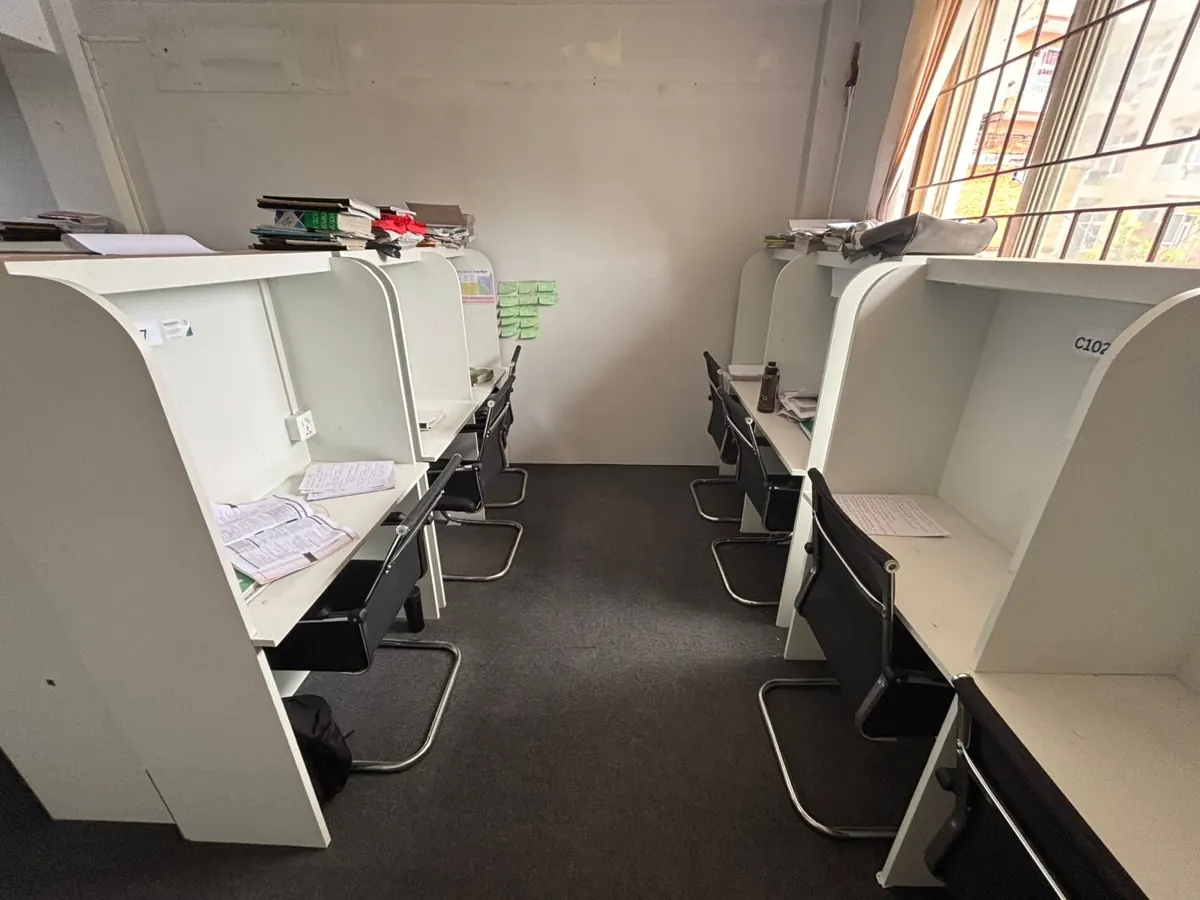
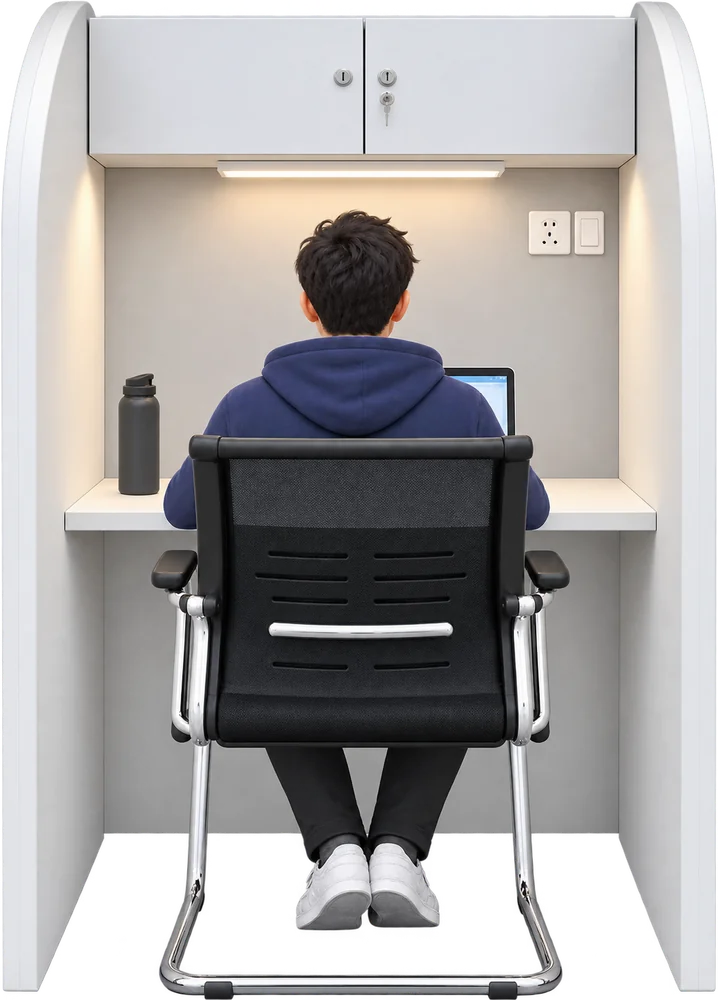
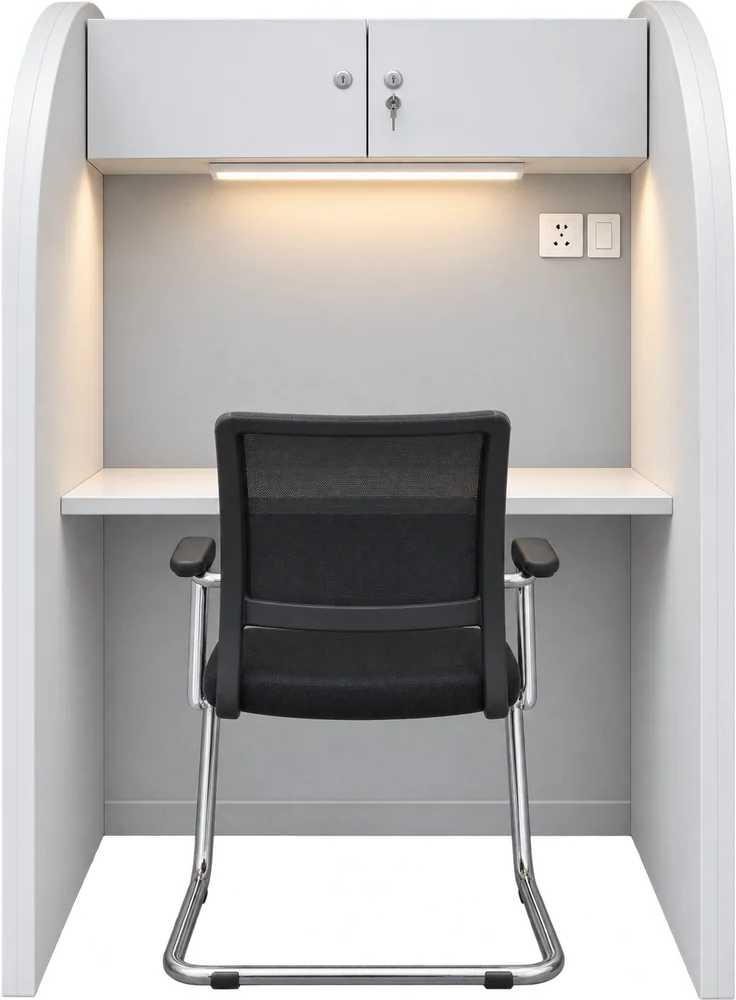
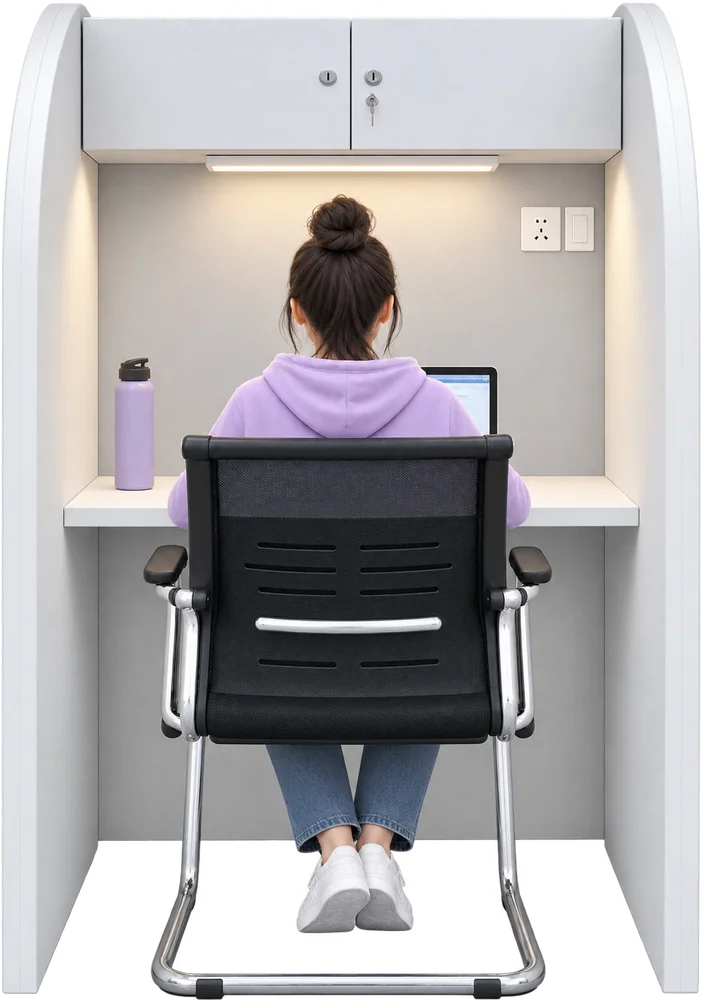
The exact hours matter less than doing it at the same time, in the same place, every day. That is a big part of why students choose a fixed cabin: the habit starts the moment you sit down.
3. Treat current affairs as a daily habit
Current affairs questions reward people who read a little every day, not people who cram a month of news the week before the exam. Read one national newspaper each morning and keep a notebook with three columns: national, international and economy. Add dates, names and numbers.
Once a week, read your notebook back. Once a month, rewrite the most important points onto one page. By exam time you will have a short, personal current affairs guide that no book can match.
4. Know the constitution well
Questions on the Constitution of Nepal 2072 come up again and again: fundamental rights, the structure of the federal, provincial and local governments, constitutional bodies and their articles. Learn the article numbers with the topic, not separately. For example, link "right to information" with Article 27 in one line of your notes.
Our free Loksewa notes on fundamental rights list every right from Article 16 to 46 with the key exam points, and you can read them right on the site.
5. Practise old questions under exam conditions
Reading feels productive, but answering is what the exam tests. From your second month, set aside time every day for old questions, and once a week sit a full paper with a timer and no phone. Mark it honestly, then go back to the syllabus and turn the topics you got wrong back to red.
For the subjective paper
Practise writing full answers by hand. Use a clear structure: a short introduction, numbered points, and a one-line conclusion. Examiners read hundreds of scripts, and neat, organised answers are easier to mark well.
6. Revise every week, not just before the exam
Most of what you read today will be gone in a month unless you see it again. Keep Saturday, or any one day a week, for revision only: no new topics, just your notes from the week. It feels slow, but it is the most reliable of all Loksewa preparation tips, because it is how reading turns into memory.
7. Protect your focus, and your health
Long preparation is as much about energy as about books. Sleep seven hours, eat proper meals, and take a real break every hour or two. Keep your phone out of reach while you study, or switch it off for the first block of the morning.
Where you study matters too. A quiet hall with your own cabin, steady power and Wi-Fi, and other serious students around you makes the hard days easier. If you are still looking, read our guide on how to choose the right study room in Kirtipur.
Put these Loksewa preparation tips to work at Shanvi
Shanvi has three silent reading halls with private cabins: Panga and Tyanglaphat in Kirtipur, and Babar Mahal in central Kathmandu near Singha Durbar. Every branch is open 5 AM to 10 PM, every day, with Wi-Fi, drinking water, daily newspapers for your current affairs routine, and staff at the desk all day.
Try it with a day pass from Rs 150. Compare branches and prices, or book a free visit and start your Loksewa routine in a cabin of your own.